

Fireside Chat - Ep. 2

Virginia's AI
Task Force

Bring your questions

Coming soon60 min
Matt McGuire
Counsel to the Governor of Virginia
Carolyn Dicharry
Founder and CEO, Canaria
Jane Khodarkovsky
Former federal prosecutor

CanariaLABITCONF 2026

Fri 30 Oct 2026Costa SalgueroBuenos Aires

Our advisory team attended LABITCONF 2026

Florencia Paternostro, Justina Della Pia and Julieta Haase of our advisory team spent Friday 30 October at LABITCONF 2026. They share what they took home: smart contracts, artificial intelligence (AI) in compliance tools and a question about centralization.

  1. 01Since 2013
  2. 02The 2026 edition
  3. 03The team
  4. 04The code
  5. 05The question
  6. 06The film
ArrivalFilmed by the team

Block 01Since 201314 editions7 countries

What is LABITCONF?

LABITCONF is the Latin American Bitcoin & Blockchain Conference, held every year since 2013. Fundación Bitcoin Iberoamérica organizes it. The first edition took place on 7 and 8 December 2013 at the Hotel Meliá in Buenos Aires. Bitcoin Argentina organized it and billed it as the first Latin American Bitcoin conference.

Since then it has taken place in seven countries, with one online year in 2020. It has been back in Buenos Aires since 2022, at Costa Salguero. From a hotel in 2013, it grew to more than 10,000 attendees over two days in 2024, by the organizer’s count.

First edition
7 and 8 December 2013, Hotel Meliá, Buenos Aires
Organized by
Bitcoin Argentina in 2013; Fundación Bitcoin Iberoamérica today
Host countries
Argentina, Brazil, Mexico, Colombia, Chile, Uruguay, El Salvador
Editions
14, one of them online (2020)

This is where each edition took place, from the Hotel Meliá in 2013 to Costa Salguero in 2026.

  1. 2013Buenos AiresHotel Meliá
  2. 2014Rio de JaneiroOthon Palace
  3. 2015Mexico CityEBC Campus Dinamarca
  4. 2016Buenos AiresPiazzolla Tango
  5. 2017BogotáDan Carlton
  6. 2018SantiagoCorpArtes
  7. 2019MontevideoRadisson Victoria Plaza
  8. 2020OnlineHeld online
  9. 2021San SalvadorBitcoin Week
  10. 2022–25Buenos AiresCosta Salguero
  11. 2026Buenos AiresCosta Salguero

Sources for this section: labitconf.com for each year, read in the Internet Archive, and press coverage.

Block 02HODL30 and 31 October

What happened in 2026?

The 14th edition ran on Friday 30 and Saturday 31 October 2026, at Costa Salguero in Buenos Aires. Its concept was the Bitcoin slang for holding on rather than selling (HODL). Day two fell 18 years to the day after the Bitcoin white paper, announced on 31 October 2008. The agenda carried the line “Bitcoin cumple 18 años” (“Bitcoin turns 18”). The organizer reported 150 speakers, 200 talks and more than 5,000 attendees, with more than 40 of the talks on artificial intelligence (AI).

Dates
30 and 31 October 2026
Venue
Costa Salguero, Buenos Aires
Concept
HODL
Organizer’s count
More than 5,000 attendees, 150 speakers, 200 talks

Source: the organizer’s closing statement, published by DiarioBitcoin on 3 November 2026, and labitconf.com.

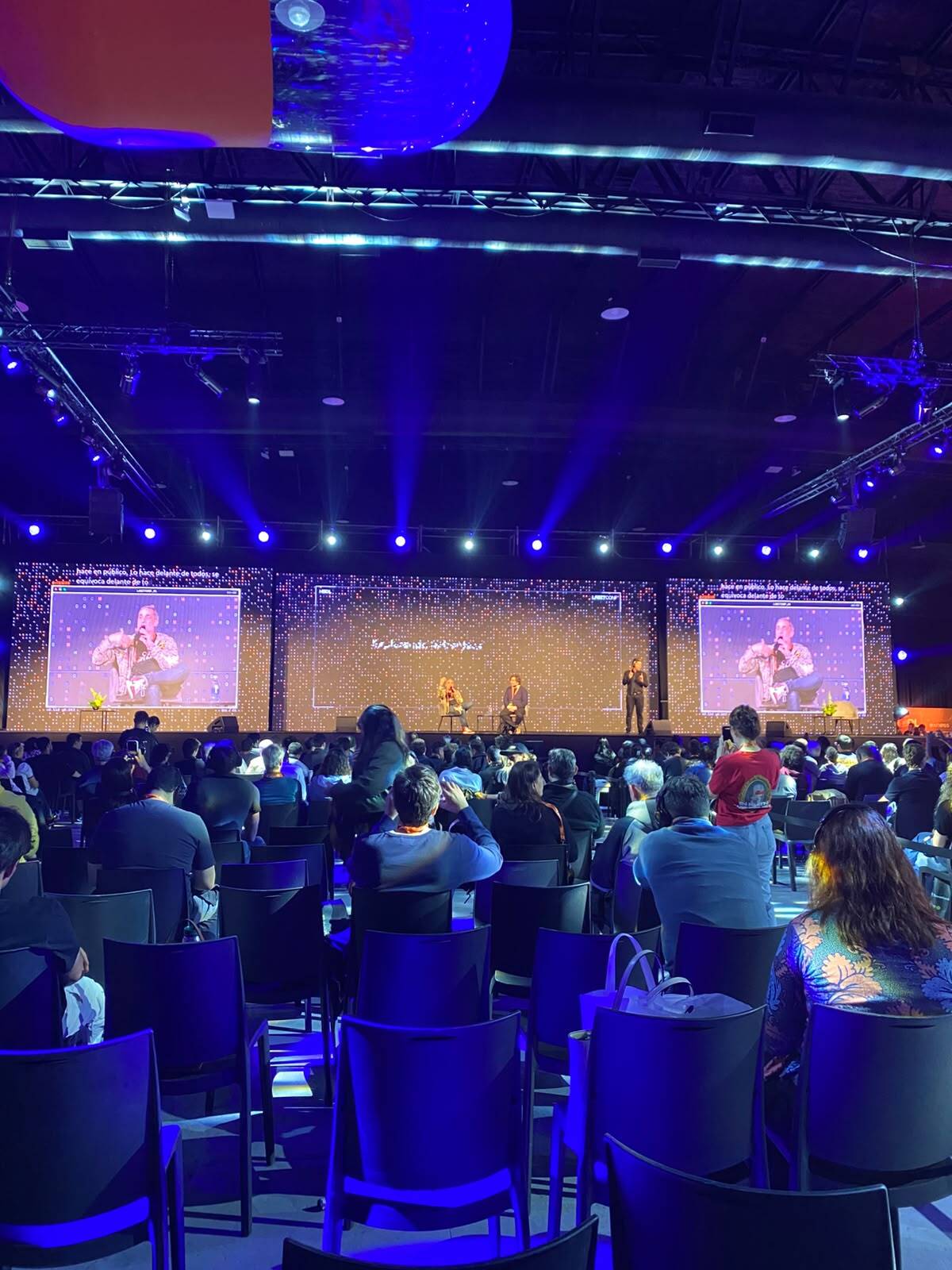
The main stage and its audience on Friday 30 October.

Block 03Three of the advisory teamFri 30 Oct

The team

Three of our advisory team spent that Friday at Costa Salguero. Each of them describes the day below, in their own words.

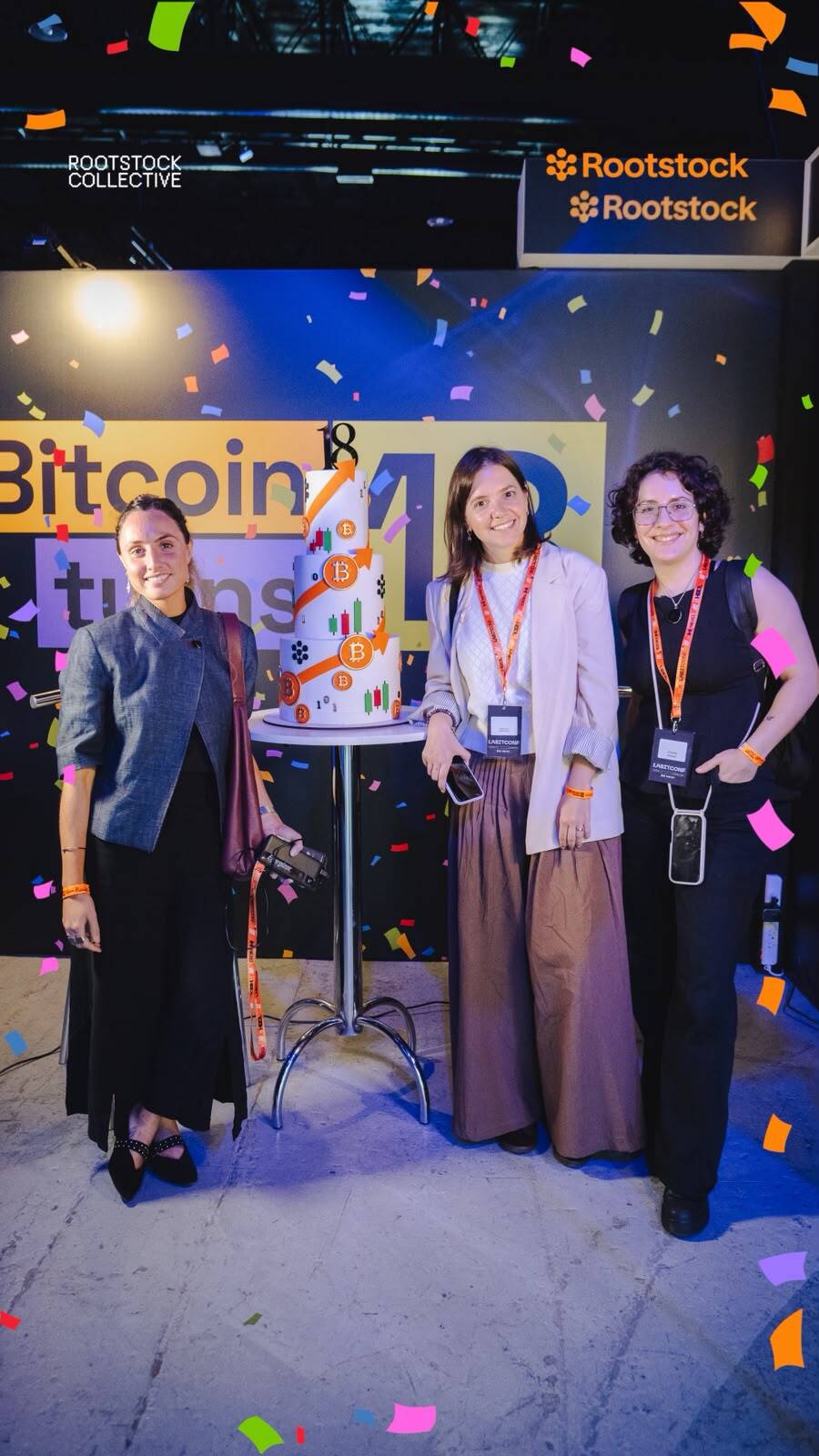
Justina Della Pia, Florencia Paternostro and Julieta Haase, from left, beside a “Bitcoin turns 18” sign and cake.
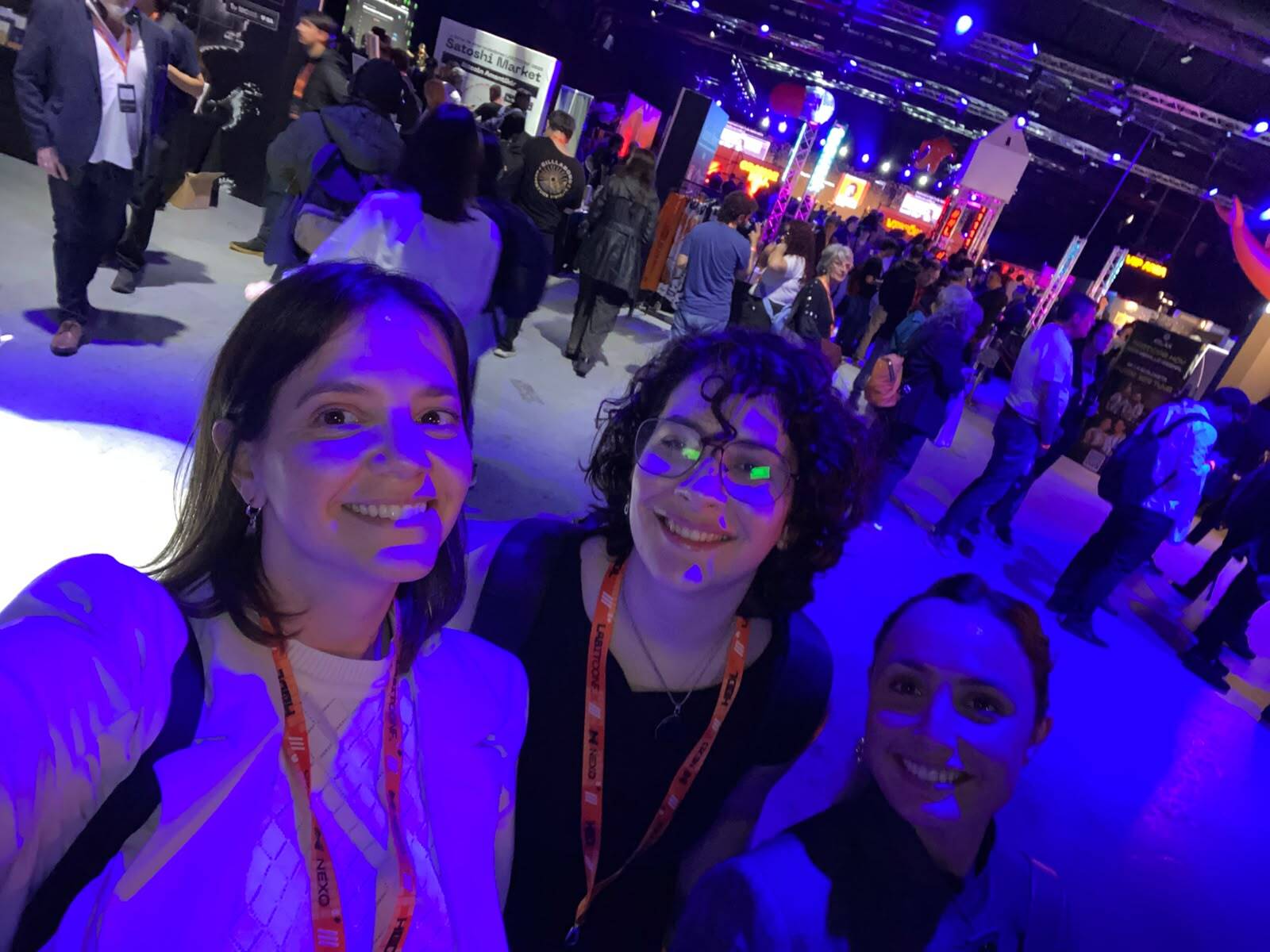
Florencia Paternostro, Julieta Haase and Justina Della Pia, from left, on the conference floor.
The tiered “Bitcoin turns 18” cake at the stand.
Florencia PaternostroSenior Compliance Manager

“As an advisory team, our priority is translating industry-leading practices into real value for our partners.”

The Canaria Advisory team was on the ground at LABITCONF 2026 in Argentina. The agenda was packed with actionable insights on smart contract security, protocol hacks, tokenization models, and the regulatory challenges ahead for crypto and fintech ecosystems.

As an advisory team, our priority is translating industry-leading practices into real value for our partners. The key takeaways from these sessions reinforce our commitment to refining our compliance toolkits, enhancing our advisory frameworks, and building smarter, forward-looking solutions that empower our clients to scale securely.


Justina Della PiaJunior Advisory Associate

“We also returned with new skills, such as how to build a smart contract.”

On Friday, October 30, the Canaria team attended LABITCONF 2026, and it was a rewarding experience that we made the most of. The day brought together a wide range of professionals from the Bitcoin, digital asset and technology industries, among others. Listening to their perspectives helped us better understand current trends, from regulation and compliance to privacy, payments and AI. We also returned with new skills, such as how to build a smart contract, as well as ideas that we look forward to applying in our work.

Julieta HaaseAdvisory Associate

“To do compliance in crypto, besides knowing the rules, you need to understand how the technology behind it works.”

LABITCONF took me out of my comfort zone. In advisory, the technical side is not usually my focus, so the smart contracts workshop was what struck me most. It reminded me that to do compliance in crypto, besides knowing the rules, you need to understand how the technology behind it works. The same goes for AI. It shows up more and more in compliance tools, and to use it well, you have to understand how it reaches its results.

I also took home a question I keep turning over: how do the centralized and the decentralized coexist as they move closer together? The Binance hack showed it: Circle and Tether were able to freeze stablecoins tied to the attack, and with Bitcoin that was not possible. For some, that is protection; for others, centralization. There is no comfortable answer, and that is what makes it interesting.

Translated from Spanish.

Block 04Workshop stage

The code

Transfer.solOn the workshop screen
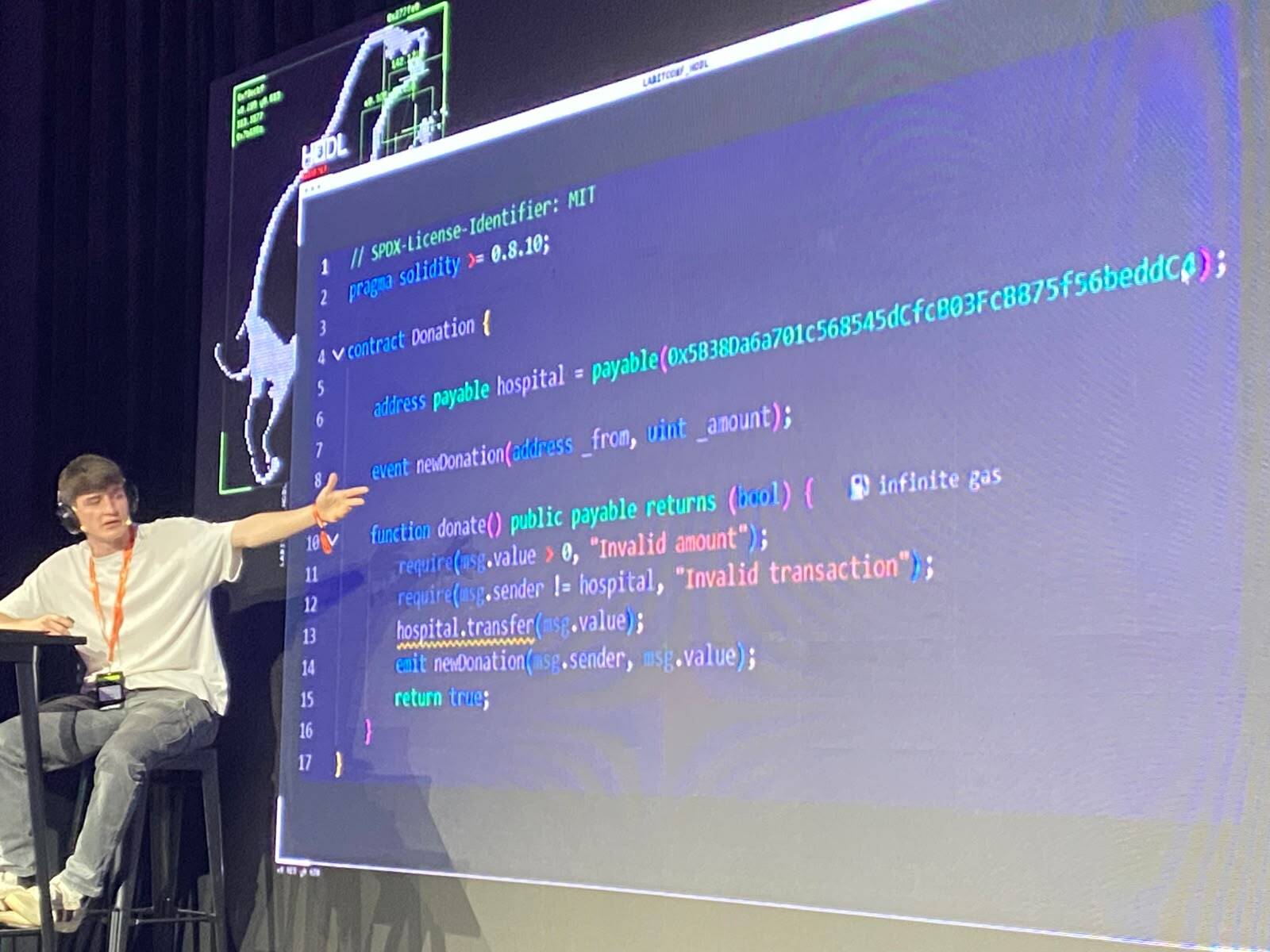
// SPDX-License-Identifier: MITpragma solidity >=0.8.10; contract Transfer {     event Tx(address _from, address _to, uint _amount);     function sendTo(address _to) public payable returns (bool) {        require(msg.sender != _to, "Invalid transaction");        require(msg.value > 0, "Invalid amount");        address payable to = payable(_to);        to.transfer(msg.value);        emit Tx(msg.sender, _to, msg.value);        return true;    }}
Transcribed from the team’s photo of the workshop screen.
The Workshop stage, where the presenter points at a Solidity contract on a large screen.

Block 05Visión stage17:10

The question

“How do the centralized and the decentralized coexist as they move closer together?”
Julieta HaaseAdvisory Associate
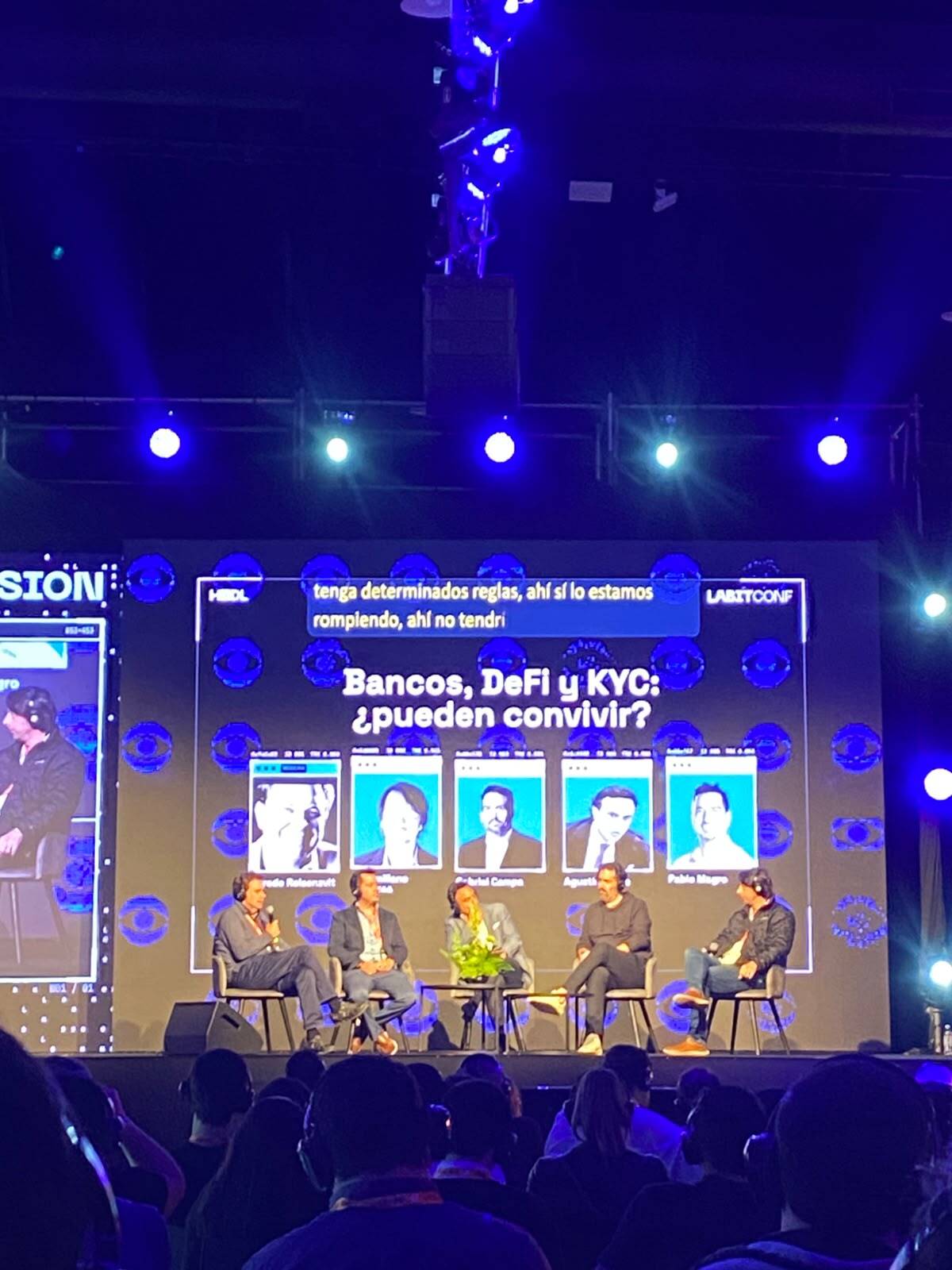
The Visión stage during the panel on banks, decentralized finance (DeFi) and know your customer (KYC) rules: “Bancos, DeFi y KYC: ¿pueden convivir?”.

Julieta Haase’s open question, how the centralized and the decentralized coexist as they move closer, echoes the title of the 17:10 panel on the Visión stage.

VisiónBancos, DeFi y KYC: ¿pueden convivir?Banks, decentralized finance (DeFi) and know your customer (KYC) rules: can they coexist?

Julieta’s full reflection is in block 03.

Block 06Filmed by the teamSound on

The day in one minute

This one-minute film shows the arrival, the main hall, the sessions and the stands. The three of them filmed the clips on the day.

Questions for our advisory team

Write to advisory@canaria.xyz.

Share